Homepage
Radio- and Radiation Chemistry Section
The Radio- and Radiation Chemistry Section welcomes anyone interested in following scientific, applied, and/or societal developments in the field of the natural occurrence, production, measurement, and application of radionuclides. The potential applications of radiochemistry are extremely broad. Broadly speaking, four main areas of application can be identified: Nuclear Energy, Technology, Environment, and Health.
Events
As a member of the Radio- and Radiation Chemistry Section, you receive a discount on our own events. If you are also a member of the KNCV, you receive a discount on all lectures, seminars, and meetings organized by the KNCV (and all of its sections).
There are no meetings published at the moment. Please check back later!
-
Daarom ben ik lid van de Radio- en Stralenchemie Sectie
Zonder gemeenschap kun je als individu weinig betekenen
Fons Janssen
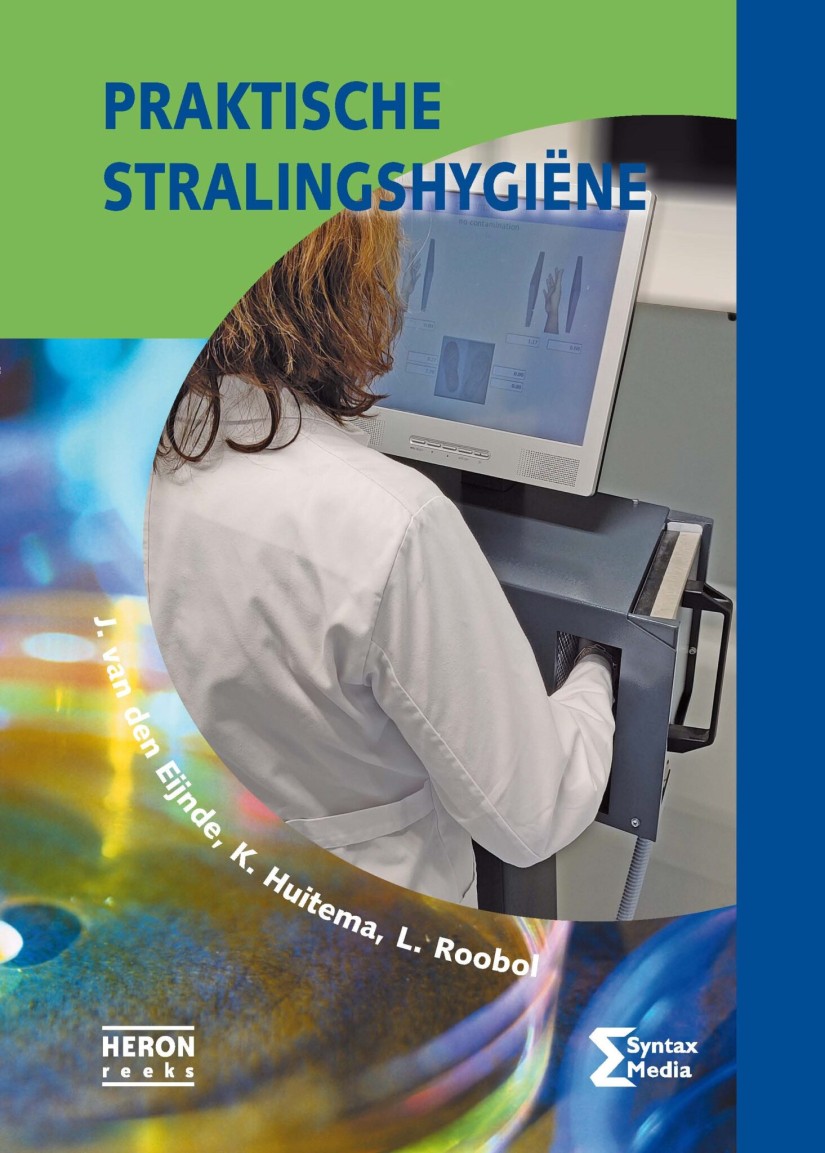
Revised edition of Practical Radiation Hygiene now available
This book provides a systematic overview of the hazards associated with the use of ionizing radiation. It focuses primarily on practical methods for controlling these hazards to ensure an acceptable level of risk. New in this edition is the inclusion of in-depth sections in addition to the basic information. An extensive bibliography has also been added.
News
-
Carolien Bastiaanssen wins the Vuurvliegen Leiden
Around 250 pupils from the Willem van Veenschool, Dalton de Leeuwerik, Hofdijckschool and Dukdalf primary schools in the Leiden region have declared researcher Carolien Bastiaanssen of the Netherlands Cancer Institute the winner of the ‘Vuurvliegen’ science battle in Leiden. After a thrilling contest against four other scientists, she managed to present her research to the children in the clearest and most convincing way. She compared genes in cells to a World Cup football team. A cell only works if every gene plays its own part.
Translated with DeepL.com (free version)
Read more about "Carolien Bastiaanssen wins the Vuurvliegen Leiden"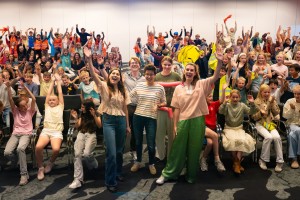
-
First aid for damaged proteins
Proteins do not fold on their own. Chaperones guide this process. Anne Wentink studies how they do this, and why things sometimes go wrong.
Read more about "First aid for damaged proteins"
-
Copy_Spinoza Prize for chemical biologist Hermen Overkleeft
Professor of Bio-organic Chemistry Hermen Overkleeft (KNCV Gold Medal Winner 2008) develops innovative methods to study disease processes. This increases our understanding of the human body and enables the development of new medicines. Overkleeft has been awarded the Spinoza Prize: the most prestigious scientific award in the Netherlands.
Read more about "Copy_Spinoza Prize for chemical biologist Hermen Overkleeft"
-
Spinoza Prize for chemical biologist Hermen Overkleeft
Professor of Bio-organic Chemistry Hermen Overkleeft (KNCV Gold Medal Winner 2008) develops innovative methods to study disease processes. This increases our understanding of the human body and enables the development of new medicines. Overkleeft has been awarded the Spinoza Prize: the most prestigious scientific award in the Netherlands.
Read more about "Spinoza Prize for chemical biologist Hermen Overkleeft"